
Setting Up a Place of Your Own: The First Two Weeks
Setting up a place of your own after a separation: what to buy first, what can wait, what to change your address with, and getting ready for the kids.
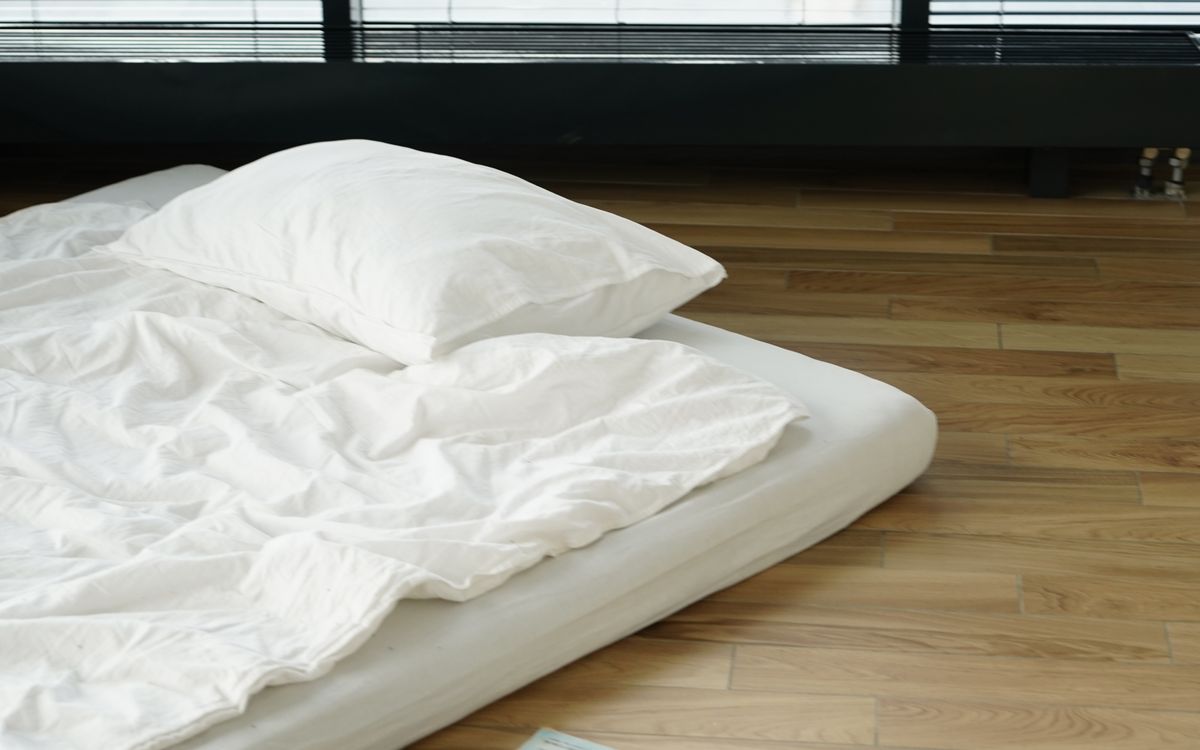
The first night in an empty place of your own is quieter than you expected and the echo is worse than the emptiness. Most people spend it on a mattress on the floor, eating something out of a bag, wondering what they have done.
Setting up a place of your own is not about producing a finished home in two weeks. It is about getting to a place where you can sleep, eat, wash, lock the door, and receive your mail. Everything past that can be bought slowly, which is both cheaper and how you end up with a place that suits the person you are now rather than the one who was panic-buying in week one.
What does setting up a place of your own need on the first night?
Seven things, and none of them are furniture: somewhere to sleep, towels and bathroom basics, one lamp, a charger and a light, food that needs no equipment, keys and a working lock, and your usual medication.
Get them into the place before the first night, not during it. Shops close, and the first night is not the evening to discover you own no towels.
- Somewhere to sleep. A mattress is enough. Bedding you actually like matters more than a bed frame.
- Towels, soap, toilet paper, a shower curtain if you need one.
- One lamp. Overhead lighting in an empty room at 11pm is bleak in a way that is hard to describe.
- Phone charger, a flashlight or your phone light, and the wifi details if the internet is not on yet.
- Something to eat and drink that needs no equipment, plus one mug and one glass.
- Keys, and a working lock. Ask the landlord when the locks were last changed, and check that windows and any second door actually close.
- Basic meds. Painkillers, whatever you take daily, a few bandages.
That is the whole first-night list. Anybody who tells you that you need more is selling furniture.
What does setting up a place of your own need in the first week?
Among the dull items nobody lists: somebody's name on the emergency contact line, and a spare key with a person rather than under a plant pot.
The things that make a place function rather than the things that make it look finished: utilities and internet, a very short kitchen, a laundry routine, your address updated, insurance if it applies, and one comfortable place to sit that is not the bed.
Utilities and internet. Electricity, gas or heating, water where it is billed separately, and internet. Internet installation often has a wait, which is the one to book first.
A very short kitchen. One pan, one pot, a knife, a cutting board, a plate, a bowl, silverware, a kettle or a way to boil water. Add to it when you notice something missing rather than buying a set.
Laundry. Where you will do it and what it costs. If it is a shared machine or a laundromat, work out the routine now, because two weeks of putting it off ends badly.
Your address, in the right places. More on that below.
Renter's or contents insurance, if it applies. It is usually cheap and it covers exactly the sort of year where things get broken and moved twice.
One comfortable place to sit. Not a sofa necessarily. Something that is not the bed and not a dining chair, because a home where the only soft surface is the bed makes you spend a lot of time in bed.
What does it actually cost to forward your mail?
About a dollar through the official USPS site. Any service charging forty is a third party that bought its way to the top of the search results, and the change of address is the one step in the whole move with a scam attached to it. USAGov says so directly.
Their moving guide tells you to "Let the post office know you are going to change your address and want your mail forwarded to your new location", and then adds a warning: "Scammers may charge $40 or more to do what you can do for $1.10", on the official USPS site.
One note on that number, because two government pages disagree slightly: USPS itself currently lists a "$1.25 identity verification fee" for filing online. The exact figure moves. The order of magnitude is the point. Official mail forwarding costs about a dollar, and any site charging forty is a third party that has bought its way to the top of the search results.
Beyond the post office, USAGov lists the other places your address needs updating, and they are easy to forget in a bad month: federal taxes, Social Security, veterans benefits, immigration services, driver's license and vehicle registration, and voter registration.
Add to that list the ones nobody official reminds you about: your bank and cards, your employer's HR, your doctor and dentist, your children's school, insurance policies, subscriptions that ship physical things, and anywhere holding a stored delivery address. The full account sweep, including the ones that quietly track your location, is in the digital untangling.
One exception that outranks the whole list. If you are moving away from somebody you are afraid of, filing your new address in every record is not a neutral errand. Voter registration is the clearest case: NNEDV's Safety Net Project notes that "Voter registration records typically include personally identifying information such as name, home address, and political party affiliation", and that depending on where you live, "their voter registration record may be considered public record".
Address Confidentiality Programs exist for this, assigning a substitute address to use in public records, and Safety Net keeps a chart of which states have them. They are worth knowing about and worth understanding the limits of, which the same source states plainly: "Many ACPs have significant challenges effectively controlling this data, however, so it is not a guarantee of privacy."
So the order changes in this situation. Before you file anything, call the National Domestic Violence Hotline on 1-800-799-7233, or text START to 88788, and ask how address changes are handled where you live. Working out which records can be shielded, and in what order to change them, is a routine part of what they do.
What to buy when starting over, and what can wait?
The mirror of this question, what to do with everything that will not fit, is its own job and runs on a much longer timescale.
What goes on the walls can wait longest of all, and what comes off them is a decision with no deadline attached.
Buy the mattress, one chair you actually like, and kitchen basics. Wait on the sofa, the dining set, the television, and anything matching. Furniture is where the money goes and where the regret lives. What you can spend on it depends on what the month looks like once the rent and the utilities are in, which the One-Income Check will show you.
Buy slowly and secondhand where you can. Marketplace listings, estate sales, the "everything must go" corner of any local group. A separation year is exactly the wrong time to sign a finance agreement for a living room set.
Wait to learn how you actually use the space. Where you sit in the evening, whether you eat at a table, which room gets the light. Most people who furnish everything in the first two weeks rearrange or replace within a year.
Prioritize what you use daily, in this order: bed, a chair you like, kitchen basics, storage, then everything else. Storage before decoration, always.
What can wait: a sofa, a dining set, a television, matching anything, artwork, a second bedroom that has no occupant yet, and every organizing product on the internet.
What is worth spending on: the mattress, one good chair, and blackout curtains if you are sleeping badly, which most people are at this point. Sleep is the thing that makes every other part of this easier.
How do you get ready for your kids' first night at your new place?
Give them a space that is theirs even if it is a corner, bring something from the old house, and provide a real bed rather than an arrangement. Their first visit matters more than the furniture, and it needs less than you think.
- A space that is theirs, even if it is a corner, a drawer, and a shelf. A place that still feels like a hotel is one of the reasons children start refusing to come. What children register is whether they have a place in the house, not the square footage of it.
- Something that came from the old house. A duvet cover they know, the lamp from their old room, the books. Continuity does more than novelty.
- A bed rather than an arrangement. A sofa or an airbed is fine for a week and starts to feel like being a guest by week three.
- Their own toothbrush and pajamas here, so nothing has to be packed for every visit.
- The same rules as the other house, as far as you can manage. Bedtimes, screens, homework. Children read two sets of rules as two sets of loyalties.
- Do not compete. A new place with better snacks and no bedtime buys about two weeks of enthusiasm and costs you the routine that actually helps them settle.
Keep the first visit short and ordinary if you can. A meal, a movie, a normal bedtime. What you want is for the place to become unremarkable to them, because unremarkable is what safe looks like from a child's height.
What is it like moving into a new place alone?
Quieter than expected, and the quiet arrives all at once rather than gradually. It becomes ordinary faster than anybody believes on night one, usually somewhere between the second and fourth week, and it happens on a normal Tuesday without any ceremony.
A few things that help, none of them profound: leave a light on in a second room, put something on that talks (radio, a podcast, an old movie you know), make the bed properly even if nothing else is done, and plan the first morning in advance so there is a reason to get up at a specific time.
If you can, arrange for somebody to call the next day. Not to check that you are all right. Just so the second day has a voice in it.
The place stops being where you are staying and becomes where you live without announcing it. The longer work of making it feel like yours is in living alone again.
Can you rent a first apartment after divorce with damaged credit?
Usually yes, with more paperwork. A larger deposit, several months of bank statements, a letter from an employer, or a guarantor will each help, and renting privately tends to be easier than the strictest agencies.
Renting after a separation is harder than it should be, particularly when joint debts damaged your file or when the only credit history in the marriage was in the other name.
Being upfront about a divorce is generally better than leaving a landlord to speculate about a thin file.
If it is your credit file rather than your income causing the problem, that is fixable over months and worth starting now: money after a divorce covers reading all three reports and getting joint accounts off your name.
Frequently Asked Questions
What do I need to buy first when moving out after a separation?
For the first night: a mattress and bedding, towels and bathroom basics, one lamp, a charger, something to eat that needs no cooking, and a working lock. Everything else can wait a week without any real cost.
How do I change my address after moving?
Start with the post office, which USAGov notes should cost about a dollar through the official USPS site rather than the $40 some third-party sites charge. Then update federal taxes, Social Security, driver's license and vehicle registration, voter registration, plus your bank, employer, doctor, and your children's school. If you are moving away from somebody who frightens you, get advice before filing any of it, because some of those records are public where you live. The National Domestic Violence Hotline, 1-800-799-7233, handles this specific question routinely.
How do I make my kids comfortable in my new place?
Give them a space that is theirs even if it is small, bring something from the old house, provide a proper bed rather than a sofa, keep duplicates of daily items so nothing has to be packed, and hold roughly the same rules as the other home.
Should I buy furniture straight away?
Buy the mattress and one comfortable chair, then wait. Most people who furnish a whole place in the first two weeks replace things within the year, and a separation year is the wrong time to take on furniture finance.
How much does it cost to set up a new place?
It varies too much for a useful number, but the pattern is that the unavoidable costs are deposits, utility setup, and a bed. Furniture is the part people over-buy, and secondhand covers most of it for a fraction of the price.
What if I cannot afford my own place yet?
Plenty of separated couples share a house for months for exactly this reason, and it is a constraint rather than a failure. If you go that route, agree written ground rules about rooms, bills, and guests, and get advice about what your living arrangements mean where you live. That question is covered in should you move out. Setting up a place of your own can wait until the arithmetic allows it, and waiting is not the same as being stuck.